Expert Ford Summer Vehicle Inspection Service in Brunswick, ME
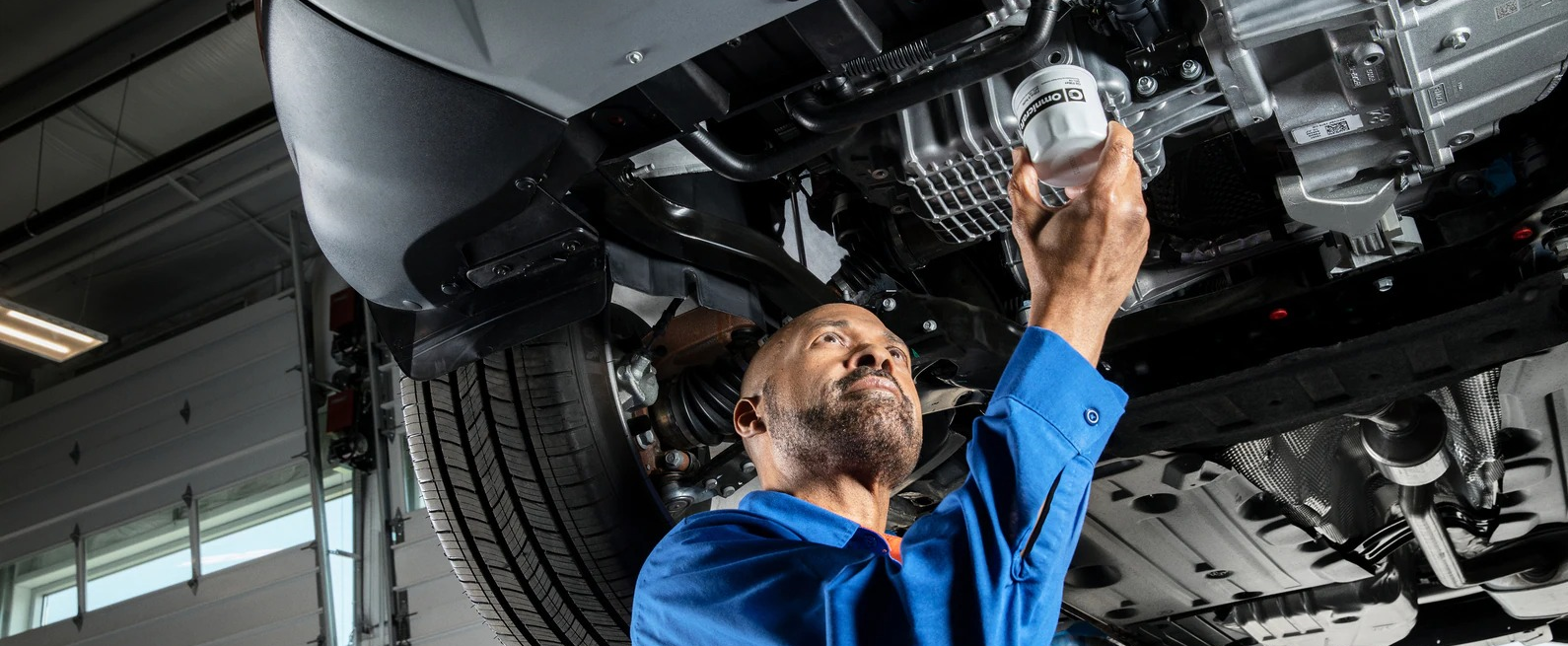
Ford Summer Vehicle Inspection in Brunswick, ME — Darling's Brunswick Ford
Darling's Brunswick Ford provides comprehensive summer vehicle inspections for Ford cars, trucks, and SUVs in Brunswick, Topsham, Bath, and Freeport. Spring thaw and the transition from winter driving reveal suspension damage, brake wear, tire condition issues, and post-salt corrosion that accumulated through the season — and Maine's summer heat, increased driving mileage, and towing demands add their own system stress. Our certified technicians on Bath Road inspect every critical system so Brunswick drivers head into summer confident in their Ford's condition.
The transition from Brunswick's winter into spring and summer is the most revealing time of year for a Ford's condition — and one of the most productive times to have it inspected. Winter's road salt, frost heave impacts, cold-start cycles, and sustained cold-soak conditions all leave evidence that's identifiable once warmer weather arrives. Suspension joints that developed play from frost heave impacts show it in handling feel when roads are clear and dry. Brake rotors corroded from salt exposure reveal their condition when the surface rust clears and underlying pitting remains. Tires that wore unevenly from winter alignment drift show the wear pattern clearly in spring. AC systems that sat unused through winter reveal refrigerant leaks when first engaged in May.
Summer then adds its own demands. Maine's coastal summer heat pushes cooling system temperatures higher, particularly on Ford trucks and SUVs doing towing along Route 1 and Coastal Maine access roads where stop-and-go traffic adds thermal load on top of ambient heat. Tire pressure rises with temperature — every 10°F increase adds approximately 1 PSI, which means tires that were correctly set in March may be over-pressured by June and running on reduced contact patches. Battery chemistry that was stressed through winter cold continues degrading in summer heat, and a battery that made it through the last winter may not make it through the next one if it isn't assessed in spring. At Darling's Brunswick Ford on Bath Road, our summer inspection covers all of this systematically. Schedule your summer inspection appointment online, or contact our Brunswick service team to discuss your Ford before your visit.
What Ford Summer Inspection Covers at Darling's Brunswick
- Air Conditioning System Test: Verifying refrigerant charge, compressor engagement, and cabin cooling performance — AC systems that sat unused through Brunswick's winter often reveal refrigerant leaks at O-ring and hose connections that only become apparent when the system is pressurized and running. Confirming AC function in May or early June avoids discovering the problem on the first truly hot day of summer
- Cooling System Post-Winter Inspection: Checking coolant condition and freeze protection concentration after winter — coolant that provided adequate freeze protection through January may have lost inhibitor chemistry through extended cold-weather operation, and summer heat is when depleted coolant's inadequate corrosion protection shows its consequences on aluminum engine components
- Tire Condition, Pressure & Wear Pattern Assessment: Measuring tread depth at multiple points per tire, inspecting sidewalls for frost heave impact damage, and checking pressure at the correct summer baseline — tires that sustained sidewall impacts on secondary roads through Topsham and outer Bath during frost heave season may have internal damage that isn't visible externally, and wear patterns established during winter alignment drift are readable in spring before another season of uneven wear deepens them
- Brake System Post-Salt Inspection: Assessing brake pad depth, rotor condition after winter salt exposure, caliper slide function, and brake line external condition — the first thorough brake inspection after a Brunswick winter identifies salt-driven caliper seizing, rotor surface corrosion that exceeds normal surface rust, and brake line exterior corrosion that accumulated through five months of salt road exposure
- Suspension & Alignment Post-Winter Check: Inspecting ball joints, tie rod ends, and control arm bushings for wear from winter frost heave impacts, and verifying alignment angles — the period after frost heave season ends is when alignment drift from winter road impacts is most clearly identified before another season's driving deepens the resulting tire wear
- Battery Load Test: Testing battery output under simulated cranking load in spring — a battery that survived its most recent winter but is in the declining portion of its service life is most effectively identified and replaced in spring, before another cycle of summer heat degrades it further and the following winter's cold-start demands test it again at lower capacity
- Fluid Level & Condition Check: Inspecting oil, transmission fluid, brake fluid, power steering fluid, and coolant — fluid top-off and condition assessment across all major systems as part of the complete seasonal inspection
- Wiper Blade Condition Check: Inspecting wiper blades for winter wear — blades that spent the winter scraping ice and heavy wet snow often have degraded rubber edges that streak in summer rain; replacing them in spring ensures full visibility for Brunswick's summer thunderstorms
Why Summer Inspection Matters for Brunswick, ME Ford Drivers
The post-winter inspection window — typically April through early June in Brunswick — is uniquely productive because it combines the end of winter's accumulated damage with the beginning of the season where that damage has the most consequences. A suspension alignment that drifted from frost heave impacts is wearing tires unevenly every mile driven after the impact, not just in winter. Catching it in April rather than August means fewer miles of uneven wear on tires that may still have useful life if the alignment is corrected. A brake caliper that began seizing from salt exposure in January is seizing further every week — catching it in April is a slide pin service; catching it in August after another four months of progression may be a caliper replacement.
For Brunswick drivers who do summer towing — boats to coastal launch ramps, equipment trailers along Route 1, campers for summer travel through Maine — summer is also when towing system condition should be confirmed. Trailer wiring harnesses corroded from boat launch exposure, brake controller calibration, and transmission cooler line integrity all matter more during summer towing season than at any other time of year. A pre-season towing inspection at Darling's Brunswick Ford as part of the summer service visit covers these specifically for drivers whose Ford sees significant towing use from May through October.
If your Ford's condition has you thinking about an upgrade before summer driving season, use our trade-in tool to see what your vehicle is worth, explore your financing options, or connect with our finance department. Ready to see what's current? Schedule a test drive at our Brunswick location on Bath Road.
Ford Summer Inspection FAQ — Brunswick, ME
- Q: When should I schedule a summer inspection for my Ford in Brunswick?
April through early June is the practical window — after frost heave season has finished producing new road damage but before summer heat and towing season put full demand on the systems being inspected. Spring inspection catches winter's accumulated damage at the most cost-effective stage and confirms system readiness before summer driving loads are applied. Brunswick drivers planning summer boat towing or road trips should schedule before Memorial Day weekend, when shop scheduling in coastal Maine becomes significantly tighter. - Q: Does summer heat affect my Ford's performance in Brunswick?
Yes, across multiple systems. Cooling system temperatures rise with ambient heat and towing load — a Ford that stayed below overheating range through winter commuting may approach its thermal limits on a hot July afternoon pulling a boat trailer along Route 1 with stop-and-go tourist traffic. Tire pressure increases approximately 1 PSI per 10°F of temperature rise, which can push tires set correctly in March to the over-pressure range by midsummer, reducing contact patch and increasing center-tread wear. Battery chemistry continues degrading through summer heat, and a battery that just made it through winter often doesn't survive the following winter if it isn't identified and replaced in spring. - Q: How does spring frost heave season affect my Ford's suspension in Brunswick?
Frost heave impacts from February through April transmit sharp vertical loads through struts, ball joints, control arm bushings, and tie rod ends that accumulate wear faster than equivalent mileage on smooth pavement. Spring is when that accumulated wear is most identifiable — a ball joint that developed play from repeated frost heave impacts shows clearly in a post-winter inspection, before another season of driving masks the wear behind tire noise and gradual handling changes. Having suspension inspected and alignment verified in spring protects both the suspension components and the tire investment from another season of wear on compromised geometry. - Q: Should I have my Ford's AC tested before summer in Brunswick?
Yes — and the earlier in spring the better. AC systems that sat unused through Brunswick's winter often reveal refrigerant leaks at O-ring and hose connections that only become apparent when the system is first pressurized and run. Testing in May rather than July means any refrigerant recharge or leak repair is scheduled at your convenience rather than discovered on the first heat wave of the season. Our Bath Road technicians test AC output temperature, compressor engagement, and refrigerant charge as part of the summer inspection visit. - Q: Does Darling's Brunswick Ford check towing systems as part of summer inspection?
Yes. For Brunswick-area Ford drivers who use their vehicle for seasonal towing — boats, campers, equipment trailers — our summer inspection includes trailer wiring harness and connector testing, brake controller function verification, hitch receiver condition, and transmission cooler line inspection. Boat launch conditions on the Midcoast corrode wiring connectors faster than dry-land towing, and verifying towing system function before the season begins avoids discovering a broken circuit at the launch ramp. - Q: How long does a Ford summer inspection take at Darling's Brunswick?
A comprehensive summer inspection covering all major systems typically takes one and a half to two hours at our Bath Road location. If the inspection identifies items needing service — brake work, alignment, AC refrigerant service, or suspension components — our team provides an estimate and timeline before any additional work begins. Drivers from Brunswick, Topsham, Bath, and Freeport can wait at our location or arrange a drop-off if additional service extends the visit.
Where Can I Find Ford Summer Vehicle Inspection Near Me in Brunswick, ME?