Expert Ford Brake Pad Replacement Service in Brunswick, ME
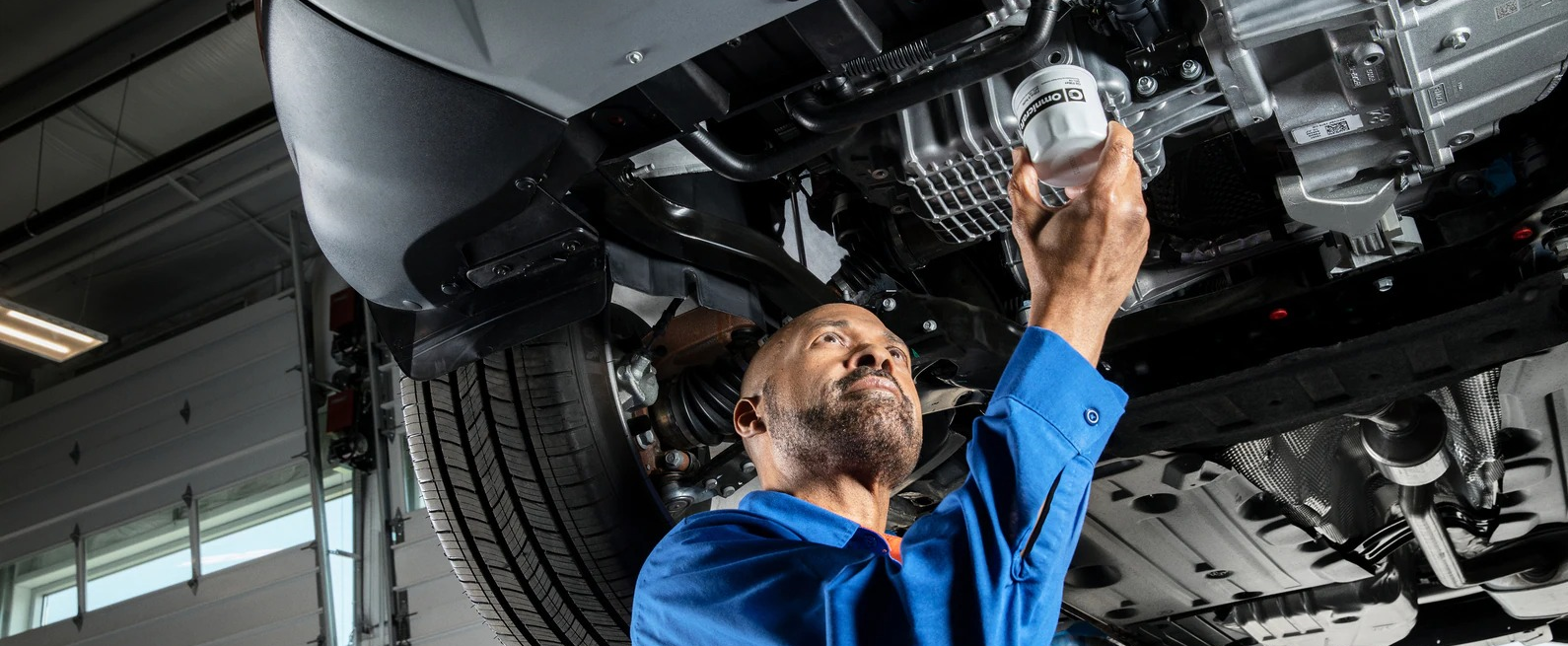
Ford Brake Pad Replacement in Brunswick, ME — Darling's Brunswick Ford
Darling's Brunswick Ford provides brake pad inspection and replacement for Ford vehicles in Brunswick, Topsham, Bath, and Freeport. Road salt from November through April corrodes rotor surfaces and caliper hardware simultaneously as pads wear — catching pad wear early at our Bath Road service center prevents rotor damage and keeps a straightforward pad replacement from becoming a full brake job. Our certified technicians use Genuine Ford brake components matched to your specific model and driving demands.
Brake pad wear in Brunswick's environment doesn't follow a simple mileage formula. The stop-and-go pattern through downtown Brunswick, across the Topsham bridge, and along the Bath Road commercial corridor generates repeated low-speed braking cycles that heat pads and rotors far more than sustained highway driving at consistent speeds. Road salt from November through April saturates the brake system with corrosive material that attacks rotor surfaces between stops — creating the rust layer that produces that characteristic grinding or scraping noise on the first few stops after a vehicle has sat overnight. And Brunswick-area Ford trucks and SUVs used for towing along coastal access roads or hauling to Bath-area job sites put high-energy braking loads on front pads that accelerate wear well beyond what commuter use alone would produce.
At Darling's Brunswick Ford on Bath Road, brake pad service starts with a complete measurement of remaining pad thickness at all four corners — and includes an inspection of rotor condition, caliper function, and brake line integrity so the full picture of your Ford's brake system condition is clear before any repair recommendation is made. Schedule your brake pad service appointment online, or contact our Brunswick service team to describe what you're hearing or feeling before you come in.
Signs Your Ford Needs Brake Pad Replacement in Brunswick
- Squealing When Braking: Ford brake pads have a metal wear indicator tab that contacts the rotor when pad thickness reaches the replacement threshold — the resulting squeal is designed to alert the driver. This is the system working as intended, and the service window it signals is typically weeks, not months, in Brunswick's salt-accelerated brake environment
- Grinding or Metal-on-Metal Sound: Grinding indicates the pad material has worn through completely and the metal backing plate is contacting the rotor surface directly. Every stop at this stage scores the rotor, turning what would have been a pad-only replacement into a pad and rotor replacement
- Brake Pedal Pulsation: A pedal that pulses or vibrates rhythmically under braking pressure points to rotor thickness variation — often caused by corrosion from road salt exposure during periods when the vehicle sat. If pad wear has allowed the rotor surface to develop significant corrosion grooves, rotor service is needed alongside pad replacement
- Vehicle Pulls Under Braking: A Ford that pulls left or right when brakes are applied typically indicates uneven pad wear between sides — most commonly from a caliper that isn't releasing fully on one corner, allowing that pad to drag and wear faster than its counterpart
- Increased Pedal Travel Before Braking Engages: A pedal that travels farther than normal before braking force builds can indicate pads worn to the point where the caliper piston has extended significantly — or a brake fluid condition that should be checked alongside the pad service
- Visible Pad Thinness Through Wheel Spokes: On many Ford models, brake pad thickness is visible by looking through the wheel spokes at the caliper assembly — a pad that appears thin against the rotor surface warrants immediate measurement at our Bath Road service center
What Ford Brake Pad Service Includes at Darling's Brunswick
- Pad Thickness Measurement: Measuring remaining pad material at all four corners using calibrated gauges — establishing the precise remaining service life and whether pads are wearing evenly front-to-rear and side-to-side, which reveals suspension and alignment conditions that affect wear rate
- Rotor Inspection & Measurement: Checking rotor thickness against Ford's minimum specification and inspecting surfaces for corrosion scoring, heat cracking, and thickness variation — rotors worn below minimum or damaged beyond resurfacing are replaced alongside pads rather than leaving new pads against compromised rotors
- Caliper Inspection & Service: Verifying caliper piston and slide pin operation on the corners receiving new pads — a caliper that doesn't release fully drags the new pad against the rotor and defeats the purpose of the replacement by creating accelerated wear immediately
- Genuine Ford Brake Pad Installation: Installing pads matched to your Ford model's braking system specification — compound, friction coefficient, and bedding requirements differ across Ford's lineup, and using the correct pad for your specific application matters for stopping distance and rotor life
- Brake Hardware Replacement: Replacing anti-squeal shims, pad retaining clips, and caliper slide pin boots where applicable — corroded brake hardware in Brunswick's salt environment is a common cause of brake noise and uneven pad wear that reappears quickly after a pad replacement if the hardware isn't addressed
- Brake Fluid Level Check: Checking fluid level after pad replacement — as new, thicker pads push the caliper pistons back into their bores, fluid level in the reservoir rises; confirming the level is within range and the fluid isn't severely moisture-contaminated completes the service correctly
- Road Test & Brake Verification: Confirming straight-line stopping, absence of noise or pull, and proper pedal feel under real braking conditions on Bath Road before returning your vehicle
Why Timely Brake Pad Replacement Matters for Brunswick, ME Ford Drivers
The math on brake pad replacement timing is straightforward in Brunswick's environment: a pad replacement caught at the wear indicator stage costs a fraction of a pad and rotor replacement. Rotors that are scored by metal-to-metal contact, or that have developed significant corrosion grooves from extended salt exposure while pads were worn thin, often cannot be resurfaced to minimum specification — they require replacement. On a Ford F-150 or Explorer with four-wheel disc brakes, rotor replacement at all four corners adds significant cost to what started as a pad wear situation that could have been addressed much less expensively at the squeal stage.
Brunswick drivers who do any towing benefit particularly from catching pad wear early. Pads that are at 30% remaining material on a vehicle used for towing along Route 1's coastal access roads or hauling on grades between Brunswick and Bath are functionally closer to replacement than the percentage suggests — towing loads require more braking force per stop, generate more heat per stop, and deposit that heat into pad material that's already thin. Our technicians at Darling's Brunswick Ford factor in your vehicle's actual use when reviewing brake pad condition and give you an honest assessment of remaining service life in real driving terms.
If your Ford's brake condition or overall age has you considering an upgrade, use our trade-in tool to see what your vehicle is worth, explore your financing options, or connect with our finance department. Ready to see what's current? Schedule a test drive at our Brunswick location on Bath Road.
Ford Brake Pad Replacement FAQ — Brunswick, ME
- Q: How long do Ford brake pads last in Brunswick's climate?
Brake pad life varies significantly by driving pattern, vehicle weight, and pad compound — but Brunswick's stop-and-go traffic, towing use, and road salt environment all shorten effective pad life compared to the mileage ranges quoted in generic maintenance guides. Most Ford brake pads fall between 30,000 and 60,000 miles in normal mixed driving, but front pads on front-wheel drive models doing heavy city cycling on Bath Road and the Topsham connector can wear significantly faster than that range. Having pad thickness measured at each oil change gives our technicians a real-time picture rather than a mileage estimate. - Q: Should I replace brake pads on both axles at the same time in Brunswick?
Not necessarily — rear pads typically last longer than front pads because braking loads are distributed front-heavy by design, and replacing all four when only the fronts are worn wastes remaining rear pad life. Our technicians measure all four corners at each brake service and recommend replacement based on actual thickness at each axle independently. If front and rear pads are within a similar wear range, replacing both axles together makes practical sense. If there's significant remaining life on one axle, we'll tell you that clearly. - Q: Do I need new rotors when I replace my Ford's brake pads in Brunswick?
It depends on rotor condition at the time of pad replacement. Rotors that still have adequate thickness, no significant scoring from metal-to-metal contact, and minimal corrosion can support new pads without replacement or resurfacing. Rotors that have been scored by worn pads, have developed corrosion grooves from salt exposure, or measure below Ford's minimum thickness specification require service alongside the pad replacement. Our Bath Road technicians measure and inspect each rotor before making a recommendation — we don't replace rotors as a default alongside every pad job. - Q: Why do my Ford's brakes squeal after sitting overnight in Brunswick?
Surface rust on rotor faces from overnight moisture and salt-air exposure is the most common cause of morning brake noise on Brunswick-area Fords. This rust layer typically clears after the first few stops as the pads scrub the surface clean — noise that clears quickly after driving is usually this normal surface oxidation. Noise that persists beyond the first mile of driving, or that sounds like grinding rather than light scraping, warrants pad and rotor inspection at our Bath Road service center regardless of when the last brake service was done. - Q: How long does brake pad replacement take at Darling's Brunswick Ford?
Brake pad replacement on a single axle typically takes one to one and a half hours. Both axles together run two to two and a half hours. If rotor resurfacing or replacement is needed alongside the pads, our team communicates the additional time before beginning that work. Drivers from Brunswick, Topsham, Bath, and Freeport are welcome to wait at our Bath Road location or arrange a drop-off if the service window is longer. - Q: Should I get my Ford's brakes inspected before winter in Brunswick?
Yes — a pre-winter brake inspection is one of the highest-value service appointments a Brunswick Ford driver can schedule. Stopping distances increase on wet and icy roads, and brake system condition matters more in January than any other month. Catching a marginal pad depth or a caliper that isn't releasing cleanly in October — when the shop schedule is manageable and the roads are dry — costs less and creates less risk than discovering the same condition on a January morning when Bath Road is glazed and your Ford needs every foot of stopping distance it can produce.
Where Can I Find Ford Brake Pad Replacement Near Me in Brunswick, ME?